
**The Core**
At the heart of every golf ball is its core, which primarily determines the ball’s compression rate and overall feel. The core is usually made from synthetic rubber compounds, with polybutadiene being a common choice due to its high resilience and durability. The chemical composition and the size of the core influence how soft or hard a ball feels and how far it will travel when struck.
**The Outer Layers**
Surrounding the core are one or more outer layers designed to contribute to performance characteristics such as spin control, feel, and overall flight dynamics. These layers are typically made from different types of plastics or ionomers and vary in thickness. In two-piece balls often used by amateurs for their durability and distance, there is usually just one outer layer made of a tough ionomer resin. Advanced players might opt for multi-layer balls that comprise three to five layers, each serving a specific functional purpose, enhancing control and feel.
**The Cover**
The outermost layer of a golf ball is called the cover w, which has a significant impact on how the ball reacts upon impact with a club or putter face. Covers can be made from Surlyn or urethane, among other materials. Surlyn-covered balls are harder, providing more durability and reduced spin. In contrast, urethane-covered balls offer more control and a softer feel, catering to more experienced players who value precision over distance.
**Dimples**
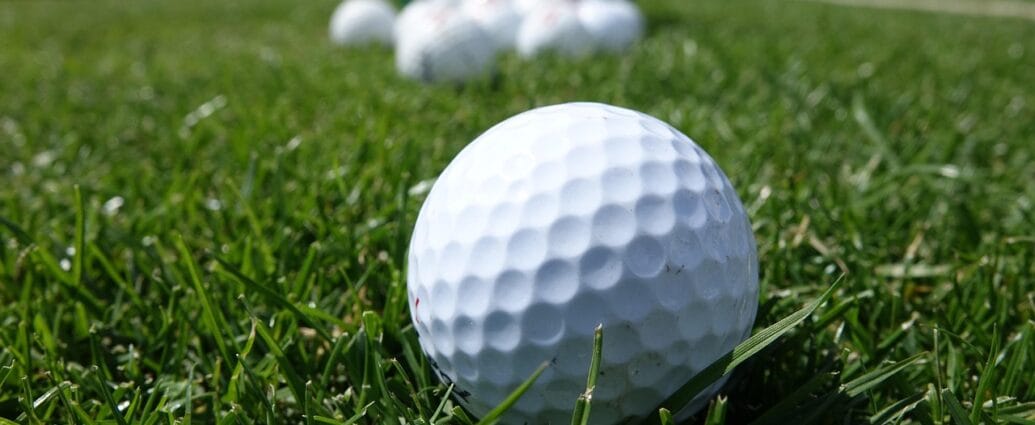
One cannot discuss what’s in a golf ball without mentioning its dimples, their pattern, and depth, which play crucial roles in aerodynamics, affecting how air flows around the ball during flight. Dimples reduce aerodynamic drag, allowing the ball to fly farther; they also increase lift, keeping the golf ball airborne longer. Manufacturers experiment with different dimple patterns, sizes, and shapes to fine-tune trajectory stability, speed, and overall performance.
**Manufacturing Process**
The manufacturing process also plays an integral role in determining what’s left of the ball. Advanced techniques allow greater precision in how cores are centered, damping layers are applied, and covers are sealed, adding further fine-tuning capabilities for specific performance traits.
In conclusion, while they might seem simple, golf balls are highly engineered products designed through sophisticated technologies. Each component, from core to cover, contributes uniquely, ensuring that whether you’re enjoying a weekend game or a professional competing in tournaments, your golf ball helps optimize your performance on the course.