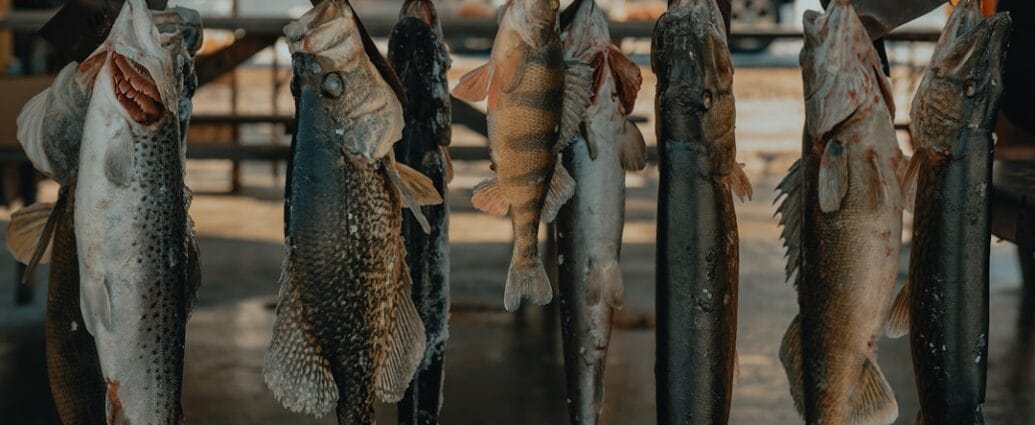

Breaking news or trend overview:
In recent years, the world of sports hunting has undergone significant transformations, sparking intense debates and raising important questions about the future of this age-old practice. As we delve into 2026, it’s clear that the sports hunting landscape is continuing to shift, with advancements in technology, changing societal attitudes, and evolving environmental concerns all playing a role. In this analysis, we’ll explore the current state of sports hunting, its background context, and the implications of these changes for hunters, conservationists, and the environment.
Background context:
Sports hunting, also known as recreational hunting, has been a part of human culture for centuries, with roots in subsistence hunting and wildlife management. The practice has evolved, with the development of new technologies, such as firearms and hunting gear, and the establishment of regulations and conservation efforts. In the United States, for example, the Pittman-Robertson Act of 1937 and the Dingell-Johnson Act of 1950 provided funding for wildlife conservation and management, paving the way for modern sports hunting practices.
In recent years, however, sports hunting has faced growing scrutiny and criticism, particularly with regard to issues like animal welfare, environmental impact, and social justice. The rise of social media has also brought hunting practices under increased public scrutiny, with many high-profile incidents and controversies sparking heated debates and calls for reform. As a result, the sports hunting community has been forced to adapt and evolve, with many hunters and organizations advocating for more sustainable, responsible, and inclusive practices.
Why this matters:
The evolution of sports hunting matters for several reasons. Firstly, hunting plays a critical role in wildlife conservation and management, with many species relying on regulated hunting practices to maintain healthy populations and prevent overgrazing or habitat degradation. Secondly, sports hunting is a significant economic driver, generating billions of dollars in revenue each year and supporting local communities, particularly in rural areas. Finally, hunting is an important cultural and recreational activity, providing a connection to nature, a sense of community, and a means of personal challenge and growth.
Expert analysis:
According to Dr. John Organ, a renowned wildlife biologist and hunting expert, “The future of sports hunting will depend on its ability to adapt to changing societal values, technological advancements, and environmental concerns. Hunters and hunting organizations must prioritize sustainability, inclusivity, and transparency, while also engaging with critics and addressing concerns around animal welfare and environmental impact.” Organ notes that this will require a shift towards more selective and targeted hunting practices, as well as greater investment in conservation and wildlife management efforts.
Potential implications:
The shifting landscape of sports hunting has significant implications for hunters, conservationists, and the environment. As hunting practices continue to evolve, we can expect to see greater emphasis on:
1. Sustainable hunting practices: Hunters and hunting organizations will need to prioritize sustainable and responsible hunting practices, including selective harvesting, habitat conservation, and wildlife management.
2. Technological innovation: Advances in technology, such as camera traps, drones, and digital scouting tools, will continue to shape the hunting experience, providing new opportunities for hunters to engage with wildlife and the environment.
3. Inclusivity and diversity: The sports hunting community will need to become more inclusive and diverse, welcoming new participants and perspectives, and addressing issues of access, equity, and social justice.
4. Conservation and wildlife management: As hunting practices evolve, there will be a growing need for conservation and wildlife management efforts, including habitat restoration, species reintroduction, and population monitoring.
What to watch for next:
As we move forward in 2026, several key developments will be worth watching in the world of sports hunting:
1. Regulatory updates: Changes to hunting regulations, such as bag limits, season dates, and licensing requirements, will continue to shape the hunting experience and impact conservation efforts.
2. Technological advancements: New technologies, such as virtual reality training tools and AI-powered hunting apps, will emerge, offering hunters new ways to engage with the sport and the environment.
3. Conservation initiatives: Large-scale conservation initiatives, such as habitat restoration projects and species reintroduction programs, will become increasingly important, requiring collaboration between hunters, conservationists, and government agencies.
4. Social and cultural shifts: The sports hunting community will need to navigate shifting societal attitudes and cultural values, addressing concerns around animal welfare, environmental impact, and social justice, while also promoting the benefits and value of hunting as a recreational activity.
In conclusion, the evolution of sports hunting in 2026 is a complex and multifaceted issue, driven by technological advancements, changing societal attitudes, and environmental concerns. As the sports hunting community continues to adapt and evolve, it’s essential to prioritize sustainability, inclusivity, and transparency, while also engaging with critics and addressing concerns around animal welfare and environmental impact. By doing so, hunters, conservationists, and the environment can work together to ensure a bright future for this ancient and noble pursuit.