
**Formula D Overview:**
Formula Drift is a relatively new motorsport that originated in Japan and gained popularity in the United States in the early 2000s. It is primarily concerned with “drifting,” where drivers intentionally oversteer, causing the rear slip angle to exceed the front slip angle. This results in the car sliding sideways through corners while maintaining control and speed.
**Vehicle Specifications:**
Cars used in Formula D are highly modified to run rear-wheel drive, enhancing their ability to slide around corners. These modifications include changes to the suspension, steering configurations, tires specifically designed for drifting, and powerful engines that can produce a lot of horsepower to keep the cars sliding. Aesthetic modifications are also common, making these vehicles visually striking.
**Race Format:**
Formula D races are not typical races where speed or crossing the finish line first determines the winner. Instead, drivers compete in head-to-head battles where they are judged based on line (the chosen path through a corner), angle (how much the car is sideways), and style (overall impression). Judges assign scores based on these criteria through several rounds until a winner is declared.
**Culture:**
The culture surrounding Formula D is vibrant and youthful, heavily influenced by street-racing scenes and popular automotive media such as video games and movies. The atmosphere at events is festive, with music playing a significant role, making them more akin to social events than to competitive sports.
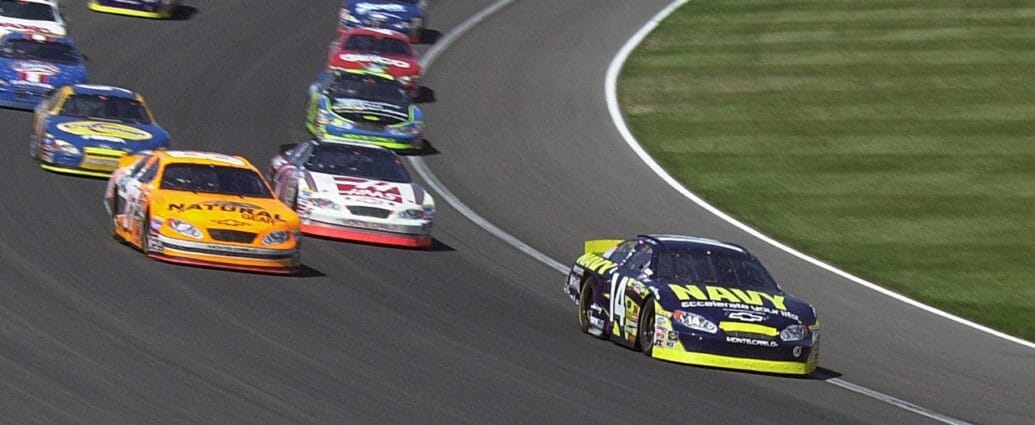
**Stock Car Racing Overview:**
Originating during Prohibition times when bootleggers needed fast cars to evade police, stock car racing has evolved significantly since then. The most famous stock car racing series is NASCAR (National Association for Stock Car Racing) in the United States.
**Vehicle Specifications:**
Contrary to what the name might imply, stock cars are not “stock” anymore; they are custom-built race cars designed to resemble production cars but built solely for racing. They have roll cages for safety, robust suspensions, powerful V8 engines, and bodies made from sheet metal that mimics mainstream manufacturers’ models.
**Race Format:**
Stock car races usually take place on oval tracks r, ranging from short tracks to superspeedways, with races covering hundreds of miles. Races involve large fields of competitors all vying for position at high speeds, demanding endurance, precision driving skills, strategic pit stops, teamwork among drivers, spotters, and mechanics.
**Culture:**
Stock car racing culture is deeply rooted in American tradition e, emphasizing patriotism and family values. The events often begin with national anthems and military appreciation ceremonies, engaging fans as an integral part of race-day activities. Treats like tailgating and camping alongside racetracks also contribute to its unique f, festive,e yet community-oriented environment.
In conclusion, both Formula D stockcar racing and Formula 1 offer thrilling experiences, but they cater to different types of audiences’ interests. While Formula D focuses on skillful maneuvering and showmanship at the individual level, stockcar racing emphasizes speed, strategy, endurance, and team dynamics. Understanding these differences helps fans appreciate what each form of motorsport brings to the ble, whether you’re looking for adrenaline-packed drift or a high-speed oval race