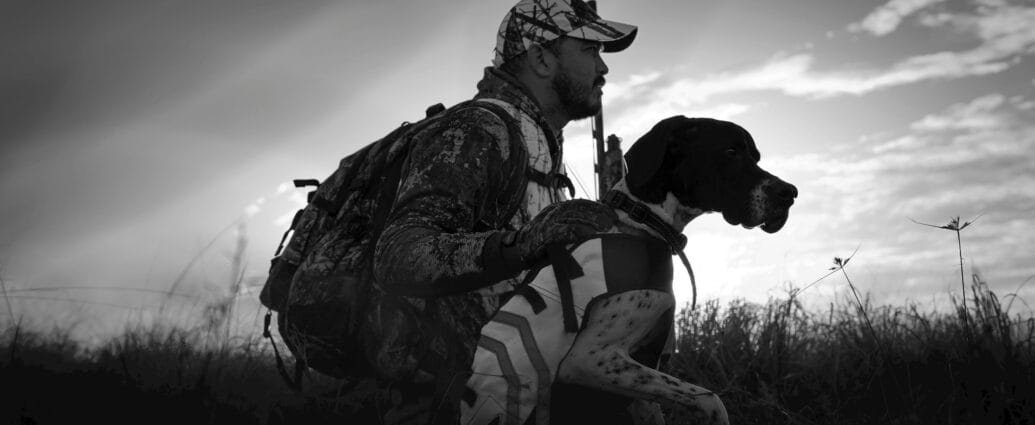

Sports Hunting News for Beginners: Seasonal Updates, Licenses, and Safety Tips
If you’re new to sports hunting, you’re stepping into a tradition that blends outdoor skills, wildlife stewardship, and careful planning. For beginners, staying up-to-date on seasonal opportunities, licensing requirements, and safety practices is essential. This article offers a practical overview you can use this season to get started responsibly, legally, and safely.
Seasonal Updates: What to Expect Throughout the Year
Seasonality drives what you can hunt, where you can hunt, and how you should prepare. Rules vary widely by country, state, province, and even local land management units, so always check with your local wildlife agency for the specifics. The following is a broad, beginner-friendly guide to the typical rhythm Evolution of Sports Hunting: A 2026 Analysis”>of sports hunting in many North American regions (adjustments will be needed for other countries).
– Fall: The broadest hunting slate often opens in the fall.
– Big game: Deer (often with archery, muzzleloader, and rifle seasons scheduled at different times), sometimes elk or pronghorn in western regions.
– Upland birds and small game: Quail, pheasant, grouse, rabbits, and squirrels may have seasons starting in late summer or fall.
– Waterfowl: Goose and duck seasons typically begin in late fall with migratory bird regulations and required stamps.
What beginners should know: Fall seasons tend to have the most hunters afield, so scouting, planning, and safety become especially important. Venison is a common first harvest for many new hunters, but successful hunts rely on knowledge of season dates, bag limits, and tagging rules.
– Winter: Depending on your region, winter hunting can focus on legal target species with late-season deer hunts, predator control seasons, or continued waterfowl opportunities in southern areas.
– Big game and predators: Some regions offer late-season deer or predator hunts (coyotes, foxes) to manage populations and help protect crops and habitats.
What beginners should know: Weather and daylight hours shorten hunting windows; plan for cold-weather gear, safety gear, and clear communication with a hunting partner.
– Spring: Turkey season dominates spring hunting in many places.
– Turkeys: Spring turkey seasons are popular for first-timers due to the excitement of calling, gear handling, and a generally forgiving learning curve.
What beginners should know: Calling technique and identifying mature toms versus jakes take practice. Edge cover, roost sites, and movement patterns become central to success.
– Summer: In many regions, there are no general hunting seasons, but this is a prime time for scouting, practicing with equipment, and taking hunter education courses in advance of the fall seasons.
What beginners should know: Use the summer to practice safety protocols, learn navigation, and build gear readiness without the pressure of a hunting deadline.
– Migration and local variations: Weather, water sources, crop cycles, and food availability influence where animals are and when they’re easier to harvest.
What beginners should know: Scout beforehand, study local wildlife calendars, and be ready to adapt your plan as conditions change.
Licenses, Permits, and the Paperwork You Need
Laws differ by location, but most regions require a combination of a general hunting license, species-specific tags or permits, and sometimes stamps or endorsements. Getting set up early avoids last‑minute stress when seasons open.
What you’ll typically need
– General hunting license: The base permit that allows you to hunt legally within an area. There are often separate licenses for residents and non-residents.
– Species-specific tags or permits: Deer, turkey, elk, waterfowl, or upland birds usually require additional tags or permits beyond the general license. Some species require “antlerless” or special draw tags for certain seasons.
– Stamps and endorsements:
– Waterfowl or migratory bird stamps (often required in the U.S. and some other countries).
– Habitat or conservation stamps in some jurisdictions.
– Special endorsements for archery, muzzleloader, or other equipment.
– Hunter education certificate: Many places require completion of a hunter education course before you can purchase licenses, especially if you were born after a certain date. These courses cover safety, ethics, wildlife conservation, and local laws.
– Land access permissions: If you plan to hunt on private land, you’ll need permission from the landowner. Some public lands require permits or reservations in advance for certain seasons or areas.
Where to get licenses
– Online portals hosted by your state or provincial wildlife agency (the most common method).
– In-person at licensing offices, outdoor retailers, or national parks that offer hunting licenses.
– Allow extra time for special draw licenses (elk, bison, or other scarce species) as they can require applications months ahead of the season and may involve lotteries.
Key tips for dealing with licenses
– Start early: Check the agency website at least 6–8 weeks before the season opens to understand deadlines and fee structures.
– Read the rules: Licensing pages will explain bag limits, season dates, device-specific rules (rifles vs. muzzleloaders vs. archery), and tagging requirements.
– Keep proof handy: Carry a copy of your license and any required tags or stamps during hunts, or carry digital copies where permitted.
– Track renewals: Some licenses are annual; set reminders to renew and keep your hunter education status up to date.
Safety and Ethics: Core Principles for Beginners
Safety is the cornerstone of responsible hunting. The following are baseline practices that should become second nature as you gain experience.
Core firearm and tool safety (for those using firearms or archery):
– Treat every firearm as if loaded. Never point a gun at anything you’re not willing to shoot. Keep the muzzle pointed in a safe direction.
– Know your target and what lies beyond it. Many hunts involve shooting at animals with hard terrain or brush behind them; a misidentified target or a bullet passing through can cause unintended harm.
– Keep your finger off the trigger until you’re on target and ready to shoot.
– Wear eye and ear protection. Loud gunfire and branches can cause damage, and eye protection helps prevent injuries.
Gear and clothing safety
– Blaze orange visibility: In many places, wearing hunter orange is mandatory or strongly recommended for safety. It helps other hunters see you, especially in dense cover.
– Weather readiness: Layer clothing to manage cold, wind, rain, or heat. Pack extra socks, gloves, and a hat appropriate to the climate.
– Navigation and communication: Carry a map, compass, GPS, or smartphone with offline maps. Share your hunting plan with a friend or family member, including your expected location and return time.
– First-aid kit: A compact kit with bandages, tape, antiseptic, and a marker for field dressing is essential. Include a small emergency blanket and a whistle.
Tree stands and elevated hunting safety.
– Use a fall-arrest system if you’re climbing or using a treestand. Inspect the stand for damage before the season, and check straps, buckles, and ladders.
– Never hunt from a damaged stand or with a non-secured setup. Practice safe ascent and descent, ideally with a partner who can assist in an emergency.
Scouting, ethics, and legal compliance
– Identify legal zones: Always verify public land boundaries, private land access rules, and any season-specific restrictions.
– Respect wildlife and habitat: Stay on established roads, minimize noise, and avoid disturbing non-target species or nesting areas.
– Harvest responsibly: If you harvest an animal, follow proper field-dressing procedures, transport guidelines, and any mandatory reporting or tagging.
Getting Started: A Beginner’s Roadmap
If you’re a first-time hunter, here’s a practical, step-by-step plan to get you started this season.
1) Take a hunter education course
– Look for courses offered by your state/provincial wildlife agency, accredited organizations, or community colleges. These courses cover firearm safety, wildlife management, ethics, and legal responsibilities.
2) Find a mentor or join a beginner-friendly program
– Seek mentorship through local hunting clubs, wildlife organizations, or community groups. A more experienced hunter can teach you how to select gear, scout habitats, and handle safety concerns.
3) Start with a simple species and season
– Many beginners start with small game (rabbits, squirrels) or birds (turkeys or waterfowl with a shotgun) due to shorter seasons, easier access, and broader bag limits. Your choice depends on local regulations and your interests.
4) Practice regularly
– Spend time at a range to become proficient with your firearm or bow. Practice shot placement, follow-through, and range safety. If you’re using a shotgun, practice different chokes and shell types; for archery, work on form, sight alignment, and distance estimation.
5) Scout and plan
– Learn your hunting area before the season opens. Look for feeding and bedding areas, water sources, and travel routes. Use maps or online resources to understand land ownership and access points.
6) Prepare your gear and checklists
– Create a pre-season checklist covering licenses, tags, safety gear, clothing, navigation tools, first aid, and transport. Make sure your vehicle is stocked with essentials for the season.
7) Practice ethical hunting
– Fair chase, minimal distress to the animal, and taking ethical, clean shots increase your chances of a humane harvest and align with wildlife management goals.
8) Respect the land and other hunters
– Be mindful of private land boundaries, posted signs, and the safety of others. If you encounter other hunters, maintain distance, communicate clearly, and avoid conflict.
Practical Tips for a Successful Beginner Season
– Start small and build experience: Gain confidence with a single species and season before expanding to multiple species or more challenging hunting styles.
– Keep a hunting log: Record weather, location, sightings, shots taken, and outcomes. It helps you refine scouting and shooting strategies over time.
– Stay legally compliant: Bag limits and tagging rules protect wildlife populations. When in doubt, override instinct with agency guidance and official regulations.
– Practice safe processing: If you harvest an animal, know the proper field-dressing method, transport rules, and any required inspections or reporting.
– Be patient and reflective: Hunting isn’t just about the harvest; it’s about learning nature, understanding wildlife behavior, and enjoying the outdoors responsibly.
A Final Note: Regulations Vary—Always Check Local Rules
This article provides a broad framework for beginners, but hunting regulations are location-specific and frequently updated. Before you head afield, take these steps:
– Visit your local wildlife agency website to find the current season dates, bag limits, and license requirements.
– Confirm whether hunter education is required for you, and whether you need any stamps or special permits (migratory bird stamps, habitat stamps, etc.).
– Check land access rules for the area you plan to hunt, including private land permissions and public-land drawing processes.
– Review safety requirements for your gear, including blaze orange standards, hunting from a stand, and firearm or archery safety rules.
Bottom line
Sports hunting offers a rewarding way to connect with nature, learn outdoor skills, and participate in wildlife conservation. For beginners, the key is to stay informed about seasonal opportunities, obtain the necessary licenses and endorsements, and commit to safety and ethics every time you go afield. With careful planning, mentoring, and practice, you’ll build confidence and experience—and you’ll be part of a long tradition rooted in respect for the land and its creatures. If you’d like, I can tailor this guide to a specific country, state, or province by outlining the exact seasons, license types, and safety requirements relevant to your location.




1 Comment