
Sports Hunting News: Budget Gear Picks for New Hunters Under $100
Jump-starting a hunting hobby on a tight budget can feel like a scavenger hunt. New hunters want reliable gear that keeps them safe, legal, and successful—without breaking the bank. The good news is that you can assemble a solid starter kit for under $100 per item in many essential categories. This article rounds up practical, budget-friendly gear picks, offers buying tips, and explains how to maximize value without compromising safety or ethics.
The state of budget hunting gear this season
Over the past year, retailers and manufacturers have pushed more entry-level options into the market. That means better value for new hunters who don’t want to invest large sums before they’ve learned what they truly need. The trade-off is that lower price points often translate to lighter construction, fewer premium features, and shorter lifespans than high-end gear. The goal for newcomers is to pick essential items that perform well enough to build confidence, with a clear path to upgrading as skills grow and seasons change.
What new hunters should look for in budget gear?
– Practical performance: Prioritize items that deliver reliably at standard use, not flashy specs. A budget item that works consistently and comfortably is a smarter start than a premium model that feels finicky.
– Durability and warranty: Look for basic waterproofing, decent build quality, and a clear warranty or return policy. Budget gear that lasts one season is still a poor value; a warranty can bridge the gap.
– Comfort and fit: For apparel and packs, fit matters. Ill-fitting gear leads to fatigue on long hunts.
– Core features that matter most: In optics, for example, a reasonable field of view, good edge clarity, and adequate light transmission beat overly high magnification on a cheap pair. In clothing, a reliable base layer or windproof shell often matters more than the brand name.
– Safety and legality: Ensure you comply with local requirements (hunter education, licenses, blaze orange clothing in certain seasons, etc.). Gear doesn’t substitute for safe hunting practices.
– Buy smart, not just cheap: Check for sales, clearance items, and kit bundles that may offer better value than buying each piece separately.
Budget gear picks under $100, by category.
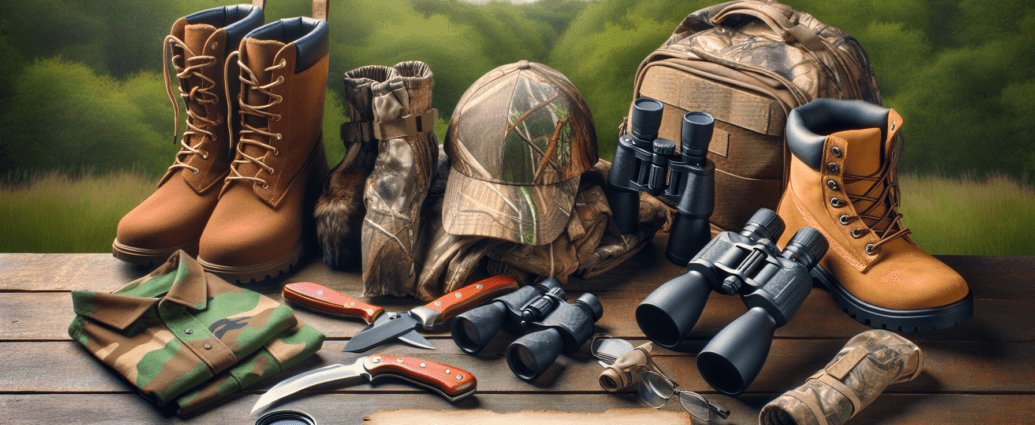
1) Binoculars (8×42 to 10×42 range)
– Why they matter: Binoculars are your primary tool for locating game, judging distances, and scanning terrain from a stand or field edge.
– What to look for: At under $100, seek models with a reasonable exit pupil size, a wide field of view, and good coating on lenses. Waterproof and fog-proof construction with O-ring sealing adds reliability in damp or dewy conditions.
– Budget pick (typical feature set under $100): Look for 8×42 or 10×42 configurations from established brands’ entry lines. Expect around 6.5–7.5 degrees of true field of view and a waterproof design. Pros include compact size, low weight, and broad situational visibility; cons often involve limited low-light performance and occasionally less-sharp edge clarity compared with pricier models.
– Trade-offs: You may notice lower eye relief and less durable coatings. If you’re new, this is a reasonable starting point; plan to upgrade as you gain experience and confidence.
2) Laser rangefinder (budget model)
– Why it matters: A rangefinder helps you estimate distance quickly for accurate shots and safer follow-through on distances you can reasonably manage.
– What to look for: A simple, single-distance mode, a clear display in bright light, and a reasonable scanning function. Some budget units also offer slope-compensation (where legal) and simple angle compensation; check local regulations regarding slope-enabled devices.
– Budget pick (typical): Budget rangefinders often land in the $60–$100 range. Expect a straightforward interface, a display that’s readable in daylight, and basic accuracy in the single-digit yard/meter range. Pros: quick distance feedback and ease of use; cons: sometimes slower in bright sun and less rugged bosses than premium models.
– Trade-offs: Subluxed optics, longer battery life concerns, and fewer features than higher-end models. For newcomers, a basic model is usually sufficient to learn how to pace a shot.
3) Trail/game camera (entry-level)
– Why it matters: A trail camera helps you scout about game movement patterns, bedding areas, and travel routes without constant human presence.
– What to look for: A compact, weather-sealed unit with a straightforward menu, good PIR (passive infrared) sensitivity, and a reasonable trigger speed. Resolution in the 8–12 MP range is common in budget cameras and is enough for identifying paths and visits.
– Budget pick (typical): Basic game cameras in the $60–$90 range with simple USB transfer, adjustable sensitivity, and a reliable battery life profile. Pros: low ongoing cost, good for learning how animals use terrain; cons: night photos may be grainier, and recovery intervals can be longer at higher temperatures.
– Trade-offs: Fewer advanced features (no cellular connectivity, slower image processing). Still effective for learning patterns and refining scouting plans.
4) Headlamp (LED)
– Why it matters: Hands-free light is essential for early-morning and after-dark tasks, safety checks, and field dressing in dim conditions.
– What to look for: Bright but not blinding white light, adjustable beam focus, and a comfortable head strap. Water resistance and long battery life are. Plus points.
– Budget pick (typical): Quality headlamps with multiple brightness levels often run $15–$30. Pros: lightweight, reliable, and versatile; cons: some very cheap models may have shorter battery life or less sturdy construction.
– Trade-offs: If you’ll hunt in damp conditions, ensure it’s at least IPX4 or better.
5) Knife and sheath (camp/hunting knife)
– Why it matters: A dependable knife is essential for field dressing, game preparation, and general campsite tasks.
– What to look for: A sturdy fixed-blade or a reliable folding knife with a secure sheath. Stainless steel or corrosion-resistant blades, a comfortable grip, and a safe locking mechanism in folding models are good indicators.
– Budget pick (typical): Entry-level hunting knives around $15–$25, with a sheath included. Pros: critical tool for field tasks; cons: blade steel and edge retention may be modest.
– Trade-offs: Dull blades require more effort; invest time in keeping the edge sharp and safe handling practices.
6) First aid kit (compact)
– Why it matters: First aid readiness reduces risk in field environments and helps you manage minor injuries promptly.
– What to look for: A compact kit with bandages, antiseptic wipes, tape, and basic tools. For beginners, a lightweight kit that fits in a daypack is ideal.
– Budget pick (typical): Small pre-packed kits in the $15–$25 range. Pros: improves safety; cons: may not cover all field scenarios, so add items relevant to your area (antivenom? no; but sunscreen, antihistamines, blister care).
– Trade-offs: If you hunt in remote areas, you might eventually want to supplement with more comprehensive supplies.
7) Packable daypack or sling bag
– Why it matters: You’ll carry essentials—water, extra layers, a light first aid kit, snacks, and your camera or phone.
– What to look for: Lightweight, water-resistant fabric, comfortable straps, and adequate capacity (roughly 15–25 liters for day trips).
– Budget pick (typical): Entry-level daypacks in the $25–$50 range. Pros: easy to carry; cons: basic suspension and fewer pockets, but adequate for novices.
– Trade-offs: Consider trying on packs in-store to confirm fit before purchase.
8) Scent control basics (sprays and detergents)
– Why it matters: Scent control can improve your odds in windy, still-hunting situations by minimizing human odor.
– What to look for: A mild scent-control spray designed for hunting, plus a simple de-scenting routine (wash clothing in a dedicated scent-free detergent).
– Budget pick (typical): Scent-control sprays and basic field detergents often range from $5–$15. Pros: easy-to-use deodorization; cons: efficacy varies, and it’s only one part of a broader strategy.
– Trade-offs: Don’t rely on scent control alone—combine with wind awareness and camouflage.
9) Base layer (thermal/tech fabrics)
– Why it matters: A comfortable, moisture-wicking base layer keeps you warmer and drier in variable weather.
– What to look for: Polyester, polypropylene, or merino-blend materials; thin to mid-weight options suitable for layering under outerwear.
– Budget pick (typical): Base layers around $15–$25, depending on fabric and brand. Pros: good moisture management; cons: durability and fit vary.
– Trade-offs: For cold seasons, one base layer plus a mid-layer might be enough; you may upgrade later for added warmth.
10) Lightweight rain shell or windbreaker
– Why it matters: Weather protection with minimal bulk keeps you in the field longer and more comfortable.
– What to look for: Lightweight, packable, and water-resistant; a hood is optional but helpful.
– Budget pick (typical): Around $25–$40 for a basic rain shell. Pros: compact and light; cons: less durability and waterproof longevity than pricier options.
– Trade-offs: If you hunt in wet climates regularly, you’ll likely want to step up to a more durable jacket later.
11) Gloves (lightweight hunting gloves)
– Why it matters: Hands stay warmer and more dexterous for gear handling and field dressing.
– What to look for: Lightweight, flexible gloves with a grippy palm and windproof backers. Water resistance is a plus.
– Budget pick (typical): $15–$25. Pros: comfort and warmth; cons: may wear out faster with heavy use.
– Trade-offs: If you handle knives frequently, ensure you have a blade-safe grip and choose a glove size that fits well.
12) Small game bag or field tote
– Why it matters: Keeps your meat clean and protects gear at the end of the day.
– What to look for: Lightweight, easy-to-clean material, drawstring or zip closure, and a size that matches your typical harvest.
– Budget pick (typical): $10–$20. Pros: practical; cons: not as rugged as higher-end options.
– Trade-offs: If you anticipate a larger game, you might need a larger, sturdier bag later on.
13) Basic multi-tool or compact fixed-blade multitool
– Why it matters: A compact multitool can handle many small tasks in the field without a full toolkit.
– What to look for: A few essential functions (knife blade, pliers, screwdriver), a secure locking mechanism, and a comfortable grip.
– Budget pick (typical): $15–$25. Pros: versatile; cons: fewer specialized tools and possibly lower steel quality.
– Trade-offs: A dedicated knife and a separate multi-tool can offer more reliability for critical tasks.
14) Water bottle or hydration option
– Why it matters: Hydration is essential on every outing, especially in warm weather.
– What to look for: BPA-free bottle or a simple hydration sleeve for your pack.
– Budget pick (typical): $5–$15. Pros: easy access to water. Cons: may not be insulated, which is more of a concern in colder weather.
– Trade-offs: For longer hunts, you may want a hydration bladder with a bite valve; that upgrade usually costs more.
15) Basic safety lights and reflective gear
– Why it matters: Visibility to others, especially in low light, helps prevent accidents and keeps you compliant with blaze-orange requirements in certain seasons.
– What to look for: A simple reflective vest or orange hat/gloves in addition to your gear. Budget pieces are typically under $10–$20.
– Trade-offs: The main aim is to meet local requirements, not fashion—prioritize visibility.
Smart buying tips for new hunters on a budget
– Start with essentials: If your funds are tight, buy one or two core items first—such as binoculars and a good base layer—then gradually add the rest as you learn your preferred hunting style and terrain.
– Look for bundles and kits: Some retailers offer starter bundles that combine a few items at a discount. A small savings can add up fast.
– Check for sales and refurbished gear: End-of-season sales, clearance racks, and refurbished units can yield excellent value for entry-level gear.
– Prioritize local testing: Where possible, try gear in-store or borrow from friends to assess fit, comfort, and suitability before purchasing.
– Consider partial upgrades: It’s perfectly fine to upgrade a single item (e.g., a better headlamp or a more durable pack) as your budget grows and your needs become clearer.
– Read reviews with a critical eye: Look for patterns in user feedback about durability, comfort, and performance in local hunting conditions.
How to make the most of budget gear
– Take care of your gear: Clean and dry optics after use; store gear out of direct heat; keep lenses clean and covered when not in use.
– Learn basic maintenance: Sharpen knives safely, inspect stitching on packs, and check zippers for smooth operation.
– Practice with purpose: If you’re new to using rangefinders or binoculars, spend time practicing at non-hunting settings to become proficient when it counts.
– Build a simple kit tailored to your area: If you hunt in wet forests, invest in a light rain shell and pack a spare dry layer. If you hunt in cold, prioritize base layers and a breathable outer layer.
Safety, ethics, and legal considerations
– Hunter education and licensing: Ensure you complete any required hunter education courses and hold the appropriate license for your state or country.
– Blaze orange requirements: In many jurisdictions, hunters must wear blaze orange during certain seasons or in specific activities. Respect local rules to stay compliant.
– Ethical hunting practices: Budget gear should not compromise safety or fairness. Practice responsible harvest timing, shot placement, and respect for wildlife and other outdoor users.
– Safe handling of gear and weapons: If you are using firearms or archery gear, invest in safe storage, regular maintenance, and proper training.
Where to shop for under-$100 gear
– Big-box retailers and sporting goods chains: Often have a broad selection of entry-level gear and frequent sales.
– Outdoor specialty shops: They can offer better guidance, especially for comfort fits and early-season needs.
– Online marketplaces: Used or refurbished items can be a great value, especially for items like backpacks, rangefinders, or field accessories. Read seller ratings and return policies carefully.
– Local hunting clubs and forums: Sometimes members sell lightly used gear in good condition at lower prices.
Final thoughts
Starting in sports hunting with a budget under $100 per item is absolutely feasible. The key is to focus on core, practical gear that improves your safety, comfort, and learning curve without overextending your budget. Binoculars, a dependable base layer, a reliable headlamp, a compact first aid kit, and a basic knife are excellent foundation pieces. From there, you can add a simple trail camera, a budget rangefinder, a small daypack, and other essential tools as you gain experience and clarify your hunting style and habitat needs.
Budget gear is not a badge of inexperience; it’s a stepping stone. Thoughtful shopping, careful testing, and a willingness to upgrade as you grow will help you build confidence and competence in the field without overspending. Remember that hunting is not only about gear—it’s about education, practice, and respect for wildlife and the outdoors. With smart choices and steady practice, new hunters can chase success—safely, legally, and responsibly—while staying within a sensible budget.
If you’d like, I can tailor a starter shopping list to your local hunting season, climate, and typical game. Tell me where you hunt, what you’re most excited to pursue, and any gear you already own, and I’ll assemble a practical, under-$100-per-item kit focused on your needs.