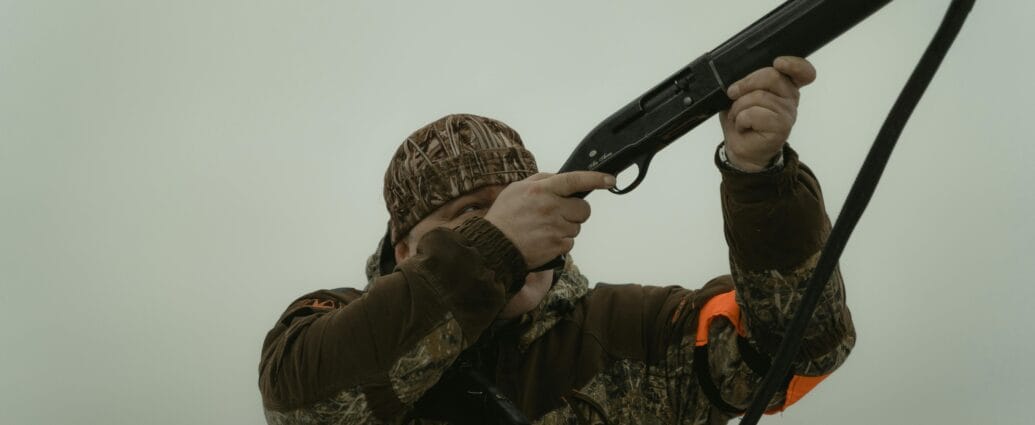

Evolution of Sports Hunting: A 2026 Analysis”>Sports Hunting News: Changes to Wildlife Regulations You Need to Know This Season
As hunting seasons roll in, wildlife agencies across North America and beyond are rolling out updates to regulations designed to balance public safety, conservation, and sustainable access. Whether you’re a seasoned hunter with a wall of licenses or a newcomer learning the ropes, staying on top of regulatory changes is as important as your rifle, bow, or camo. Regulations shift for a variety of reasons—biological data, habitat conditions, funding for wildlife programs, and public input all shape what’s allowed in the field. This season brings a mix of tweaks to licensing, bag limits, season dates, gear rules, and reporting requirements. The core message remains the same: know the rules, hunt legally, and support conservation through compliant harvest.
Below is a broad, practical overview of the kinds of changes you’re likely to encounter this season, with emphasis on how they might affect planning, gear, and day-to-day hunting.
What’s Changing This Season: Key Regulatory Updates to Watch
1) Licensing, Permits, and Fees
– Digital licenses become the norm: Many jurisdictions continue moving away from paper licenses toward digital or app-based licenses. You may be required to carry a license on your phone or have a digital confirmation readily accessible.
– Multi-year licenses and streamlined renewals: Some agencies offer multi-year licenses or simplified renewal processes to reduce administrative burden and ensure you’re compliant for longer periods.
– Fee adjustments: Licensing fees, especially for big game or special permits, may have increased or been restructured. Expect notices about new fee schedules and how they apply to residents, nonresidents, youth, and seniors.
– Residency rules for certain license types: A few areas are adjusting eligibility or reciprocity rules for nonresident hunters, including who can apply for extreme draw hunts or special tags.
What this means for you:
– If you renew annually, set reminders for the new cycle. If you’re traveling for a season, verify whether your license needs to be tied to a specific state or province.
– Check whether your digital license will work offline or require internet access in the field, particularly for remote hunting grounds.
2) Hunter Education and Eligibility
– New or updated training requirements: Some regions are tightening hunter-education prerequisites for first-timers or for out-of-state participation, with more online content and shorter in-person components.
– Recertification and compliance ages: There may be changes in the age at which ongoing education is required or in what constitutes satisfactory proof of training.
– Special considerations for youth and first-time adult hunters: Certain jurisdictions are offering staged requirements to bring newcomers into the fold while maintaining safety standards.
What this means for you:
– If you’re returning after a few years, you may need to refresh training or obtain proof of completion for a particular season.
– Check whether your state or province requires online modules, in-person field days, or a combination for your permit class.
3) Bag Limits, Harvest Quotas, and Season Dates
– Adjusted bag limits: In response to population data or disease monitoring, some species may have tighter or more flexible bag limits. Changes can be as simple as reducing daily or seasonal take or implementing split seasons for specific zones.
– Season-date shifts: Opening and closing dates can shift due to population trends, weather conditions, or habitat management goals. Some areas add late-season opportunities for certain species while tightening other windows.
– Special or restricted hunts: There may be new draw hunts, preference points, or lottery systems for premier zones, sometimes with resident priority or nonresident caps.
What this means for you:
– Plan early: If your target species has a revised season window or altered bag limits, adjust your hunting calendar and quota expectations accordingly.
– Be mindful of zone-specific rules: A species may be open in one unit but closed in another, even within the same region, due to localized population management.
4) Species-Specific Regulations
– Waterfowl and upland birds: Expect possible changes to daily bag limits, possession limits, and restrictions on hunting methods or equipment (e.g., decoys, calls, or certain blinds).
– Big game (deer, elk, moose, but also pronghorn): Quotas, antler restrictions, tagging requirements, and the sequence of seasons (archery vs. firearm) can shift. Some jurisdictions maintain separate seasons for different sexes or age classes.
– Predator and furbearer rules: In some areas, there are adjustments around predator control seasons, trapping methods, or protection statuses for certain canids or felids, often tied to livestock or wildlife management goals.
What this means for you:
– If you pursue multiple species, you’ll need to track several sets of rules, contact dates, and permit conditions. A missed update can produce a harvest that’s legal in one jurisdiction but not in another.
5) Gear, Methods, and Equipment Rules
– Lead-free ammunition and shot: A growing number of regions require or encourage non-toxic ammunition for waterfowl and increasingly for other wildlife species where the ecosystem is sensitive to lead.
– Baiting and attractants: Some areas are tightening restrictions on baiting or the use of scent attractants for specific species, aiming to reduce disease risk and bias in harvest opportunity.
– Optional and prohibited gear: Changes in the legality of electronic calls, drone use (for scouting or hunting assistance in certain zones), tree stands, or dog usage in restricted habitats are not uncommon.
– Crossbow and archery equipment: Crossbows, crossbow-specific license classes, or modified archery equipment rules can appear as the administration attempts to balance safety with accessibility.
What this means for you:
– If you rely on certain gear, confirm its legality in your intended zones and seasons. Non-toxic ammo requirements can affect cost and planning.
– Ensure your hunting setup complies with baiting, scent, or electronic equipment rules to avoid penalties.
6) Public Lands, Access, and Draw Hunts
– Public land access changes: Some areas are adjusting access fees, habitat restoration efforts, or public-use restrictions that affect where you can hunt and how you can park, scout, or camp.
– Draw hunts and permit systems: The number of permits, application deadlines, and the distribution rules (resident vs. nonresident preferences, preference points) can shift year to year.
– Habitat and wildlife monitoring contributions: In some jurisdictions, license proceeds are earmarked for habitat improvement or wildlife monitoring programs, affecting how your hunting fees are used.
What this means for you:
– If you hunt public lands, review the latest maps and access rules for the area you plan to visit. Confirm any required permits or entry fees and whether you’ll need to apply for a lottery-based hunt.
7) Reporting, Check-in, and Data-Gathering
– Harvest reporting: Online or phone-based reporting may be mandatory, with check-in stations or digital carcass tags. In some places, reporting is essential for population management and regulatory compliance.
– Carcass tagging and traceability: Tagging requirements (including where to place tags, how to record the harvest, and how long to retain evidence) are evolving as agencies pursue better data quality.
– Electronic game-marking systems: Some regions are moving to integrated digital systems that tie licenses, harvest data, and check in to a single platform.
What this means for you:
– Bring along devices or access to the reporting platform as required. Don’t assume that a license alone is enough; ensure you’ve completed any mandatory harvest reporting.
How These Changes Affect Hunters in the Field
– Planning and budgeting: If license fees rise or you need to purchase new gear to comply with non-toxic ammunition rules, factor these costs into your season budget.
– Training and certification: If education requirements intensify, schedule time for coursework or recertification ahead of the season. Some regions offer online modules with a field day option; take advantage of these if they suit your schedule.
– Scouting and logistics: Earlier or later season dates, different harvest quotas, or changes to draw hunts can affect your planning. Allocate time for terrain scouting within the updated season framework and map out the best zones that fit your goals.
– Compliance and ethics: The best hunters know that success is as much about compliance as it is about skill. The more you stay current with regulations, the smoother your season will be and the more you’ll support ongoing conservation efforts.
Practical Steps to Stay Informed
– Check your local wildlife agency’s website: Bookmark the annual regulations page for your state or province. Look for “Season Dates,” “Licensing,” “Hunting Rules,” and “Species-Specific Regulations.”
– Subscribe to official channels: Agencies often publish season previews, regulatory updates, and emergency closures via newsletters, social media, and mobile apps.
– Use official licensing platforms: If your jurisdiction uses a digital license system, download the official app or log in to the portal and verify you have active licenses, permits, and any required stamps or tags.
– Read the fine print: Seasonal summaries can omit critical details found in the complete regulations. Review the full text of bag limits, season lengths, and zone-specific rules.
– Stay aware of emergencies: Weather events, disease outbreaks, or population crises can trigger emergency closures or rapid rule changes. Check for alerts on the official site before each trip.
A Quick Reader-Friendly Checklist
– Do I have the correct licenses and permits for my planned species and zones?
– Are there any changes to bag limits or season dates in my hunting area?
– Do I need to complete new hunter-education requirements or recertification?
– Is my gear compliant (non-toxic ammunition where required, allowed calls and decoys, no prohibited devices)?
– Have I checked public land access rules and any draw-hunt requirements?
– Do I understand the current reporting and tagging requirements?
– Have I saved the official sources for quick reference in the field?
Region-by-Region Trends You Might Notice This Season
While regulations differ widely by country, state, or province, several broad trends have emerged in recent seasons and are common across multiple jurisdictions:
– A continued shift toward digital licensing and online reporting to streamline administration and improve data reliability.
– Increased emphasis on hunter education and safety, especially for new hunters, with more flexible online components paired with required in-person sessions.
– More attention to habitat and population health, with license revenues often redirected toward conservation projects, hunter access initiatives, and wildlife research.
– A growing focus on non-toxic ammunition to reduce environmental contamination, particularly in waterfowl habitats, and broader consideration of environmental stewardship in hunting practices.
– Greater transparency and accountability in public lands management, with some areas using quotas, draw systems, or resident-first policies for certain premium hunts.
Regional Variations: A Note
Regulations are country- and state-specific, and even within countries, there can be significant differences between neighboring districts. The same species can be open in one unit and closed in another, and zone-based constraints might break a general “hunt the season” rule. Always verify the exact rules for your hunting ground before you pull the trigger, string your bow, or release a call.
If you’d like, please tell me your location or the species you pursue, and I can tailor this overview to the exact regulations that apply to your area. I can also help you compile a personalized season plan that aligns with current rules, your hunting goals, and your preferred equipment.
Conclusion
This season’s regulatory updates reflect a broader, ongoing conversation about wildlife health, public safety, and the sustainable use of natural resources. For hunters, the core message remains the same: stay informed, plan, and hunt within the rules. The changes can be incremental, but they collectively shape the hunting experience—affecting which species you target, where you hunt, how you hunt, and how you document your harvest.
By approaching the season with up-to-date knowledge, you’ll not only avoid trouble but also contribute to conservation efforts that ensure healthier wildlife populations and continued hunting opportunities for generations to come. The best practice is to check official sources regularly, prepare in advance, and approach the season with a commitment to safety, ethics, and good stewardship of the land.
If you’d like, I can adapt this article to a specific jurisdiction, provide a region-specific summary of changes, or generate a practical, region-focused checklist to print and carry afield.



1 Comment